
2G networks are being retired across the region. Plan the move to LTE-M and NB-IoT units before your trackers go quiet.
A large share of the GPS units in service across the region are 2G-only, and operators are steadily retiring those networks. When the switch happens, the unit does not warn anybody — the vehicle simply disappears from the map. The replacement is not complicated, but it is much cheaper to plan than to do in a hurry after the coverage is already gone.
Silent failure is the real risk
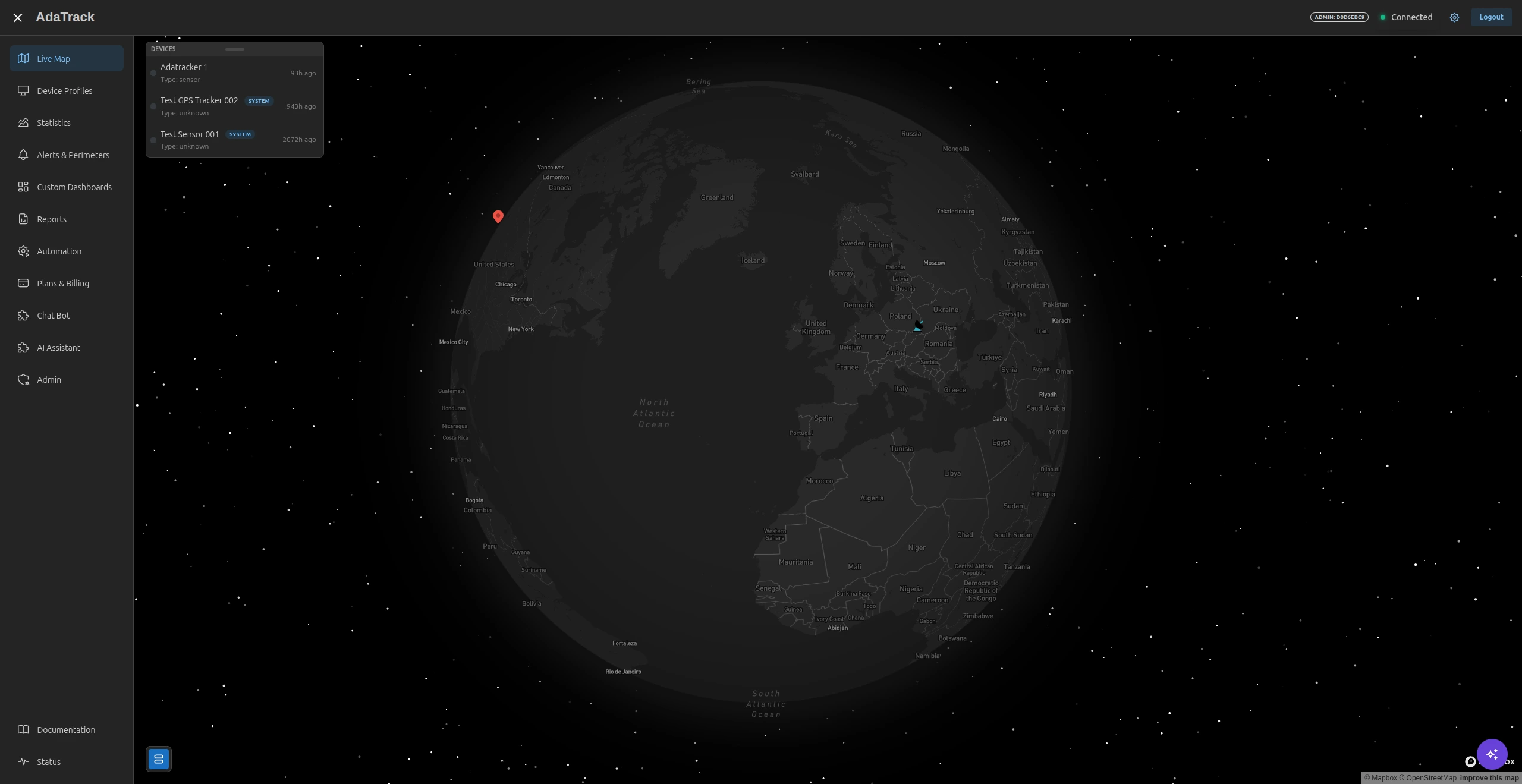
A 2G tracker does not fail loudly. It keeps its power light on and stops delivering positions, which means the first sign of trouble is often a gap in trip records that nobody noticed for weeks. Knowing which units are affected is the whole of the planning problem.
- GSM-only trackers stop reporting entirely once 2G is retired
- No error is raised by the unit — the data simply stops arriving
- Shutdown dates differ by operator and by country
- Mixed SIM providers mean a fleet can lose coverage in stages
- The live map makes silent units obvious before you are audited on them
The straightforward replacement path
For fleets already running the FMB003, the FMC003 is close to a like-for-like swap on a network with a future. LTE-M and NB-IoT were designed for telematics traffic — small position messages, long battery life, coverage where vehicles actually park — rather than for streaming.
- The Teltonika FMC003 is the LTE-M and NB-IoT counterpart of the 2G FMB003
- Same compact OBD form factor, so installation is unchanged
- LTE-M and NB-IoT are built for small, frequent telemetry messages
- Better indoor, underground and parking-garage coverage than 2G
- No need to jump to full LTE hardware and its running costs
Change the hardware, keep the history
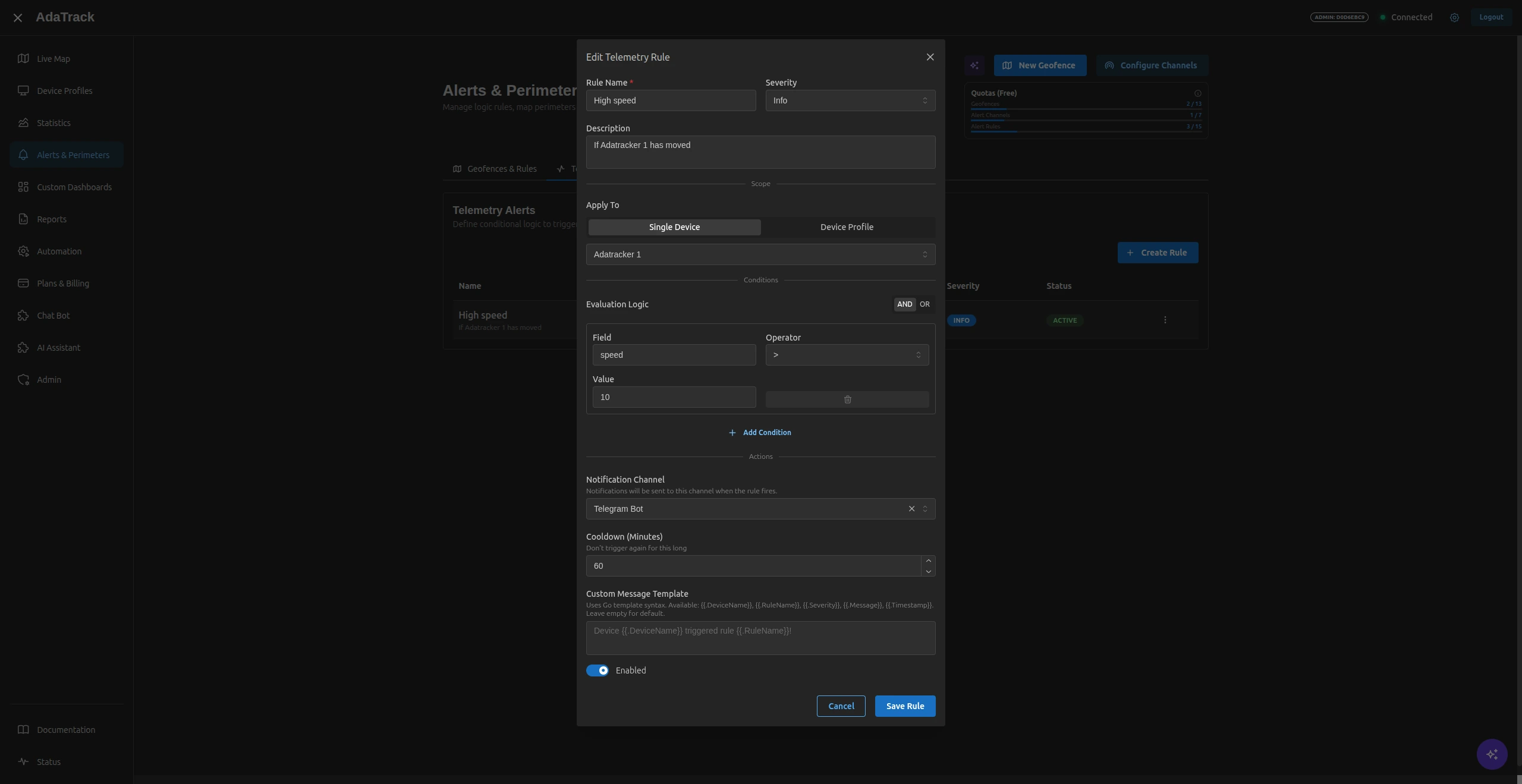
Replacing hardware is the moment fleets usually lose their history, because the tracking platform is tied to the unit. AdaTrack decodes each device profile with its own script, so adding a new model is a configuration step and the vehicle's record carries straight across.
- Decoders are user-defined scripts on a device profile, not platform code
- A new hardware model means a new profile, not a migration
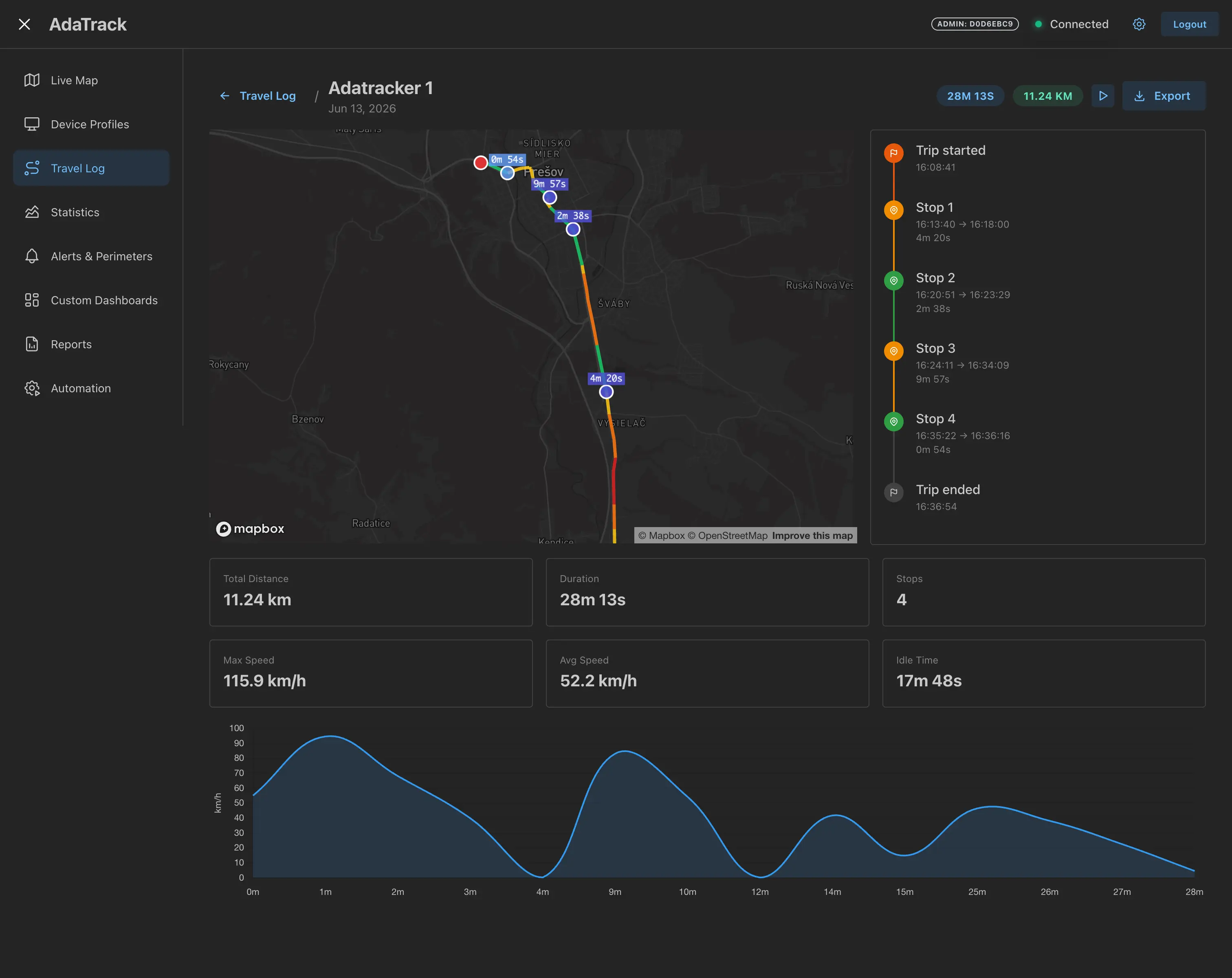
- Vehicles keep their existing trip history through the swap
- Old and new units can run side by side during a phased rollout
- Geofences, alerts and reports continue working unchanged
2G shutdown & GPS unit upgrade — common questions
What actually happens when 2G is switched off?
Once your operator switches 2G off, a GSM-only tracker has no network to reach and simply stops reporting. The unit is not broken and the vehicle is not untracked by choice — the data just never arrives, usually without an obvious warning.
When is 2G being shut down?
Shutdown timetables are set per operator and per country, and they differ across the region. Check the published schedule for the network your SIMs actually run on, because a fleet with mixed SIM providers can lose coverage in stages rather than all at once.
Why the Teltonika FMC003?
The FMC003 is the LTE Cat M1 and NB-IoT counterpart to the widely deployed 2G FMB003, in the same compact OBD form factor. For most fleets it is the closest thing to a like-for-like replacement: same installation, modern network.
What is the difference between LTE-M and NB-IoT?
LTE-M and NB-IoT are designed for exactly this kind of traffic — small, frequent position messages from devices that need long battery life and good indoor and underground coverage. They are the intended successors for telematics rather than an expensive step up to full LTE.
Do we have to change tracking platforms too?
No. Decoders in AdaTrack are user-defined scripts attached to a device profile, so a new hardware model means adding a profile, not migrating the platform. Existing vehicles keep their history and the map does not care which unit the data came from.
Keep reading
See what the platform does with the data once the new units are reporting, or check which plan covers the size of your fleet.
Replace the units on your schedule, not the carrier's
Walk through the swap with an engineer before the deadline reaches your fleet, or connect a single LTE-M unit and see it reporting the same day.